 Ikura Cart
Should You Pay in Yen or Home Currency in Japan?
Updated 2026-09-21
Reviewed 2026-09-21
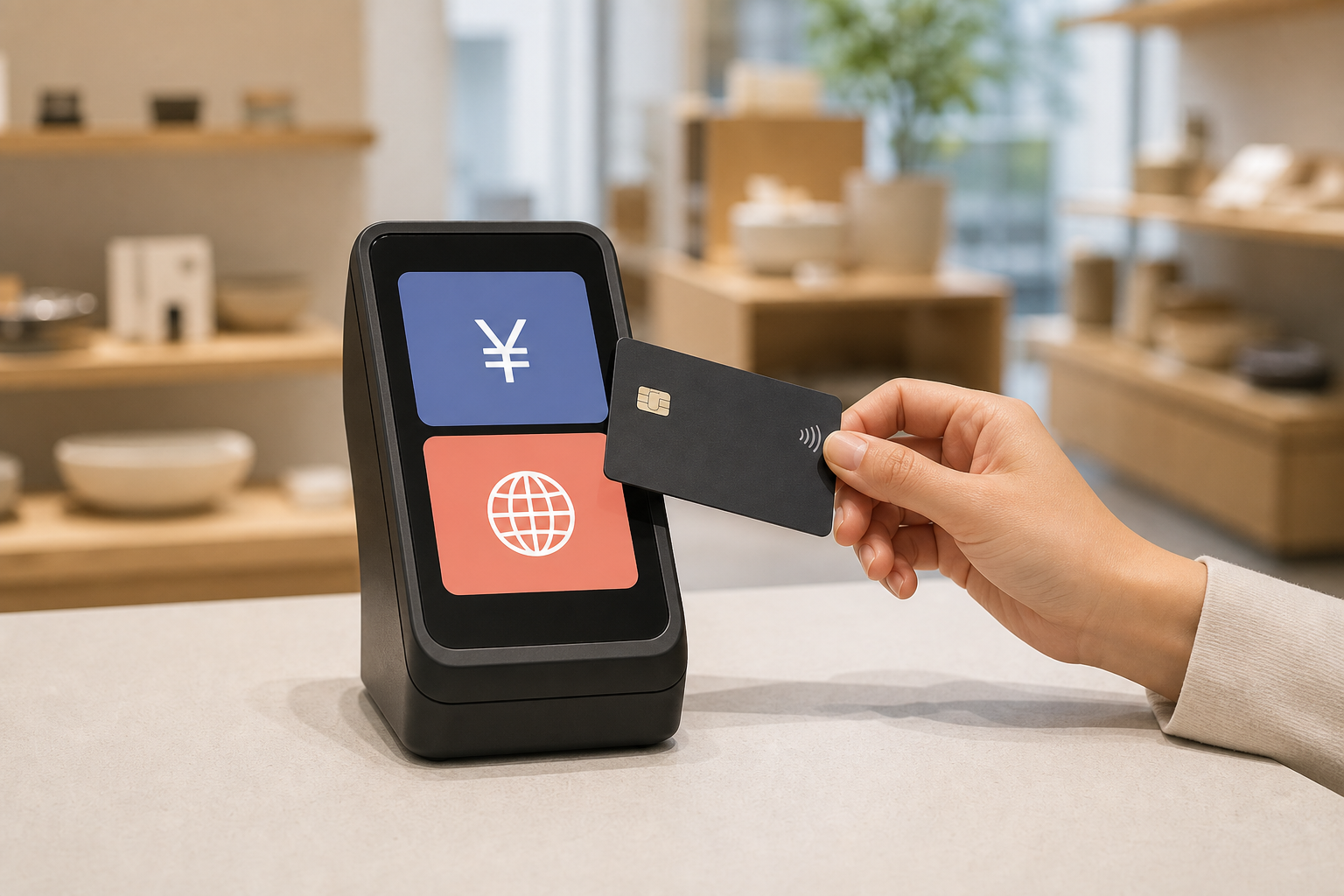
A card terminal in Japan may offer two amounts for the same purchase: Japanese yen and your billing currency. The second option is usually dynamic currency conversion, or DCC. It gives certainty now, but it changes who performs the conversion and which costs you need to check.
JPY and home currency use different conversion routes
Choose JPY and the purchase goes to your card network and issuer in Japanese yen. Your statement amount is then based on their processing exchange rate, plus any foreign transaction fee in your card agreement.
Choose your home currency and the merchant's DCC provider converts the purchase at checkout. The screen should disclose the JPY amount, billing-currency amount, exchange rate, and any markup or extra fee. You know that converted amount immediately, but it is not automatically your issuer's rate.
Read the terminal before tapping a choice
Start with the original JPY total. Then check the second currency, the displayed rate, and any markup. Visa and Mastercard rules require a real choice, with both currencies and conversion information shown before you accept DCC.
Some cards may be offered USD rather than the currency you use at home. Japanese payment providers note that the offer depends on card and terminal settings. USD is still a converted option when the store price is in yen, so do not treat it as the original transaction currency.
- JPY means your card network and issuer handle the later conversion
- A home-currency or USD amount at a JPY checkout is normally a DCC offer
- Check the receipt currency before leaving the counter
- Keep the receipt until the transaction matches your statement
Compare the total cost of each option
Suppose the shelf total is ¥22,000. The DCC screen can tell you an exact home-currency amount today. The JPY option cannot promise the final statement amount because processing may occur later. Compare the DCC rate and markup with your issuer's foreign transaction fee and published conversion method.
Paying in JPY is often the lower-cost route when DCC includes a markup, but it is not a universal guarantee. Card fees, rewards, refunds, and settlement timing differ. The practical rule is to choose JPY unless the disclosed DCC total is genuinely better for your own card or you deliberately value a locked amount more than the difference.
Fix a wrong selection before you walk away
If the terminal or cashier used DCC without the currency choice you intended, ask the merchant to void the transaction and run it again in JPY. Do not accept a promise that the bank will automatically change the currency later. Keep both the cancellation record and the corrected receipt.
Before paying, Ikura Cart can preserve the Japanese shelf-price total so you have a clean JPY figure to compare with the terminal. It does not know your card's fees or decide which exchange route is cheaper, so confirm those terms with your issuer.
FAQ
Does paying in JPY avoid every card fee?
No. Your issuer may still charge a foreign transaction or cross-border fee. JPY avoids the merchant's DCC conversion, not every fee in your card agreement.
Why does a Japanese terminal show USD instead of my home currency?
DCC currency offers depend on the card range and terminal provider. If the original price is in yen, USD is still a converted choice rather than the shop's local currency.
Can the cashier choose DCC for me?
Card-network guidance says the choice belongs to the cardholder and the conversion details should be disclosed. Ask for a void and a new JPY transaction if your choice was not respected.
Does this currency choice change my Japan tax-free eligibility?
No. DCC concerns how the card payment is converted. Tax-free eligibility and the store's JPY purchase record are separate matters.
Official sources
- Visa: What You Should Know About Dynamic Currency Conversion
- Mastercard: Dynamic Currency Conversion Performance Guide 2025
- NTT DATA Japan: DCC Frequently Asked Questions
- SMBC Card: Foreign Currency Payment Guide
- KB Card: Overseas KRW Payment Blocking Service
- China Construction Bank: Overseas DCC Transactions
- CTBC Bank Taiwan: Dynamic Currency Conversion FAQ
- Hong Kong Consumer Council: Overseas Card Currency and DCC