 Ikura Cart
How to Choose Clothing and Shoe Sizes in Japan
Updated 2026-09-21
Reviewed 2026-09-21
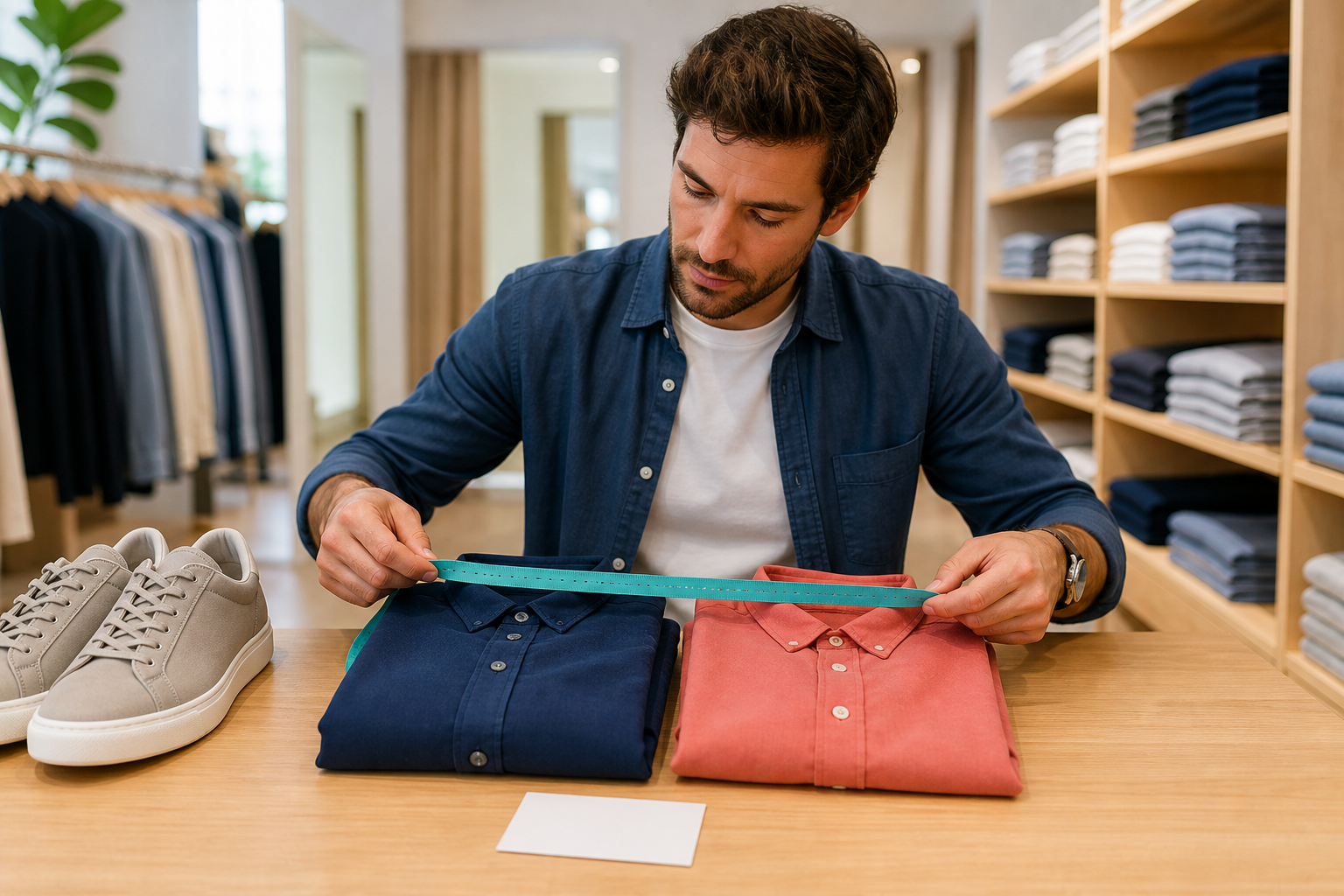
A Japanese M is not a promise that it matches the M you wear at home. The safer method is to compare centimetre measurements for that exact product, then try it on. Japanese shoe numbers are more useful because they commonly refer to foot length in centimetres, but width and shoe shape still decide the fit.
Use conversion charts only to find a starting size
Clothing letters and women's number sizes are not universal across countries or brands. Japan's JIS system defines body-dimension labels for certain garments, but Free Size, One Size, denim inches and many unisex labels can be brand-defined. A conversion table can tell you which two sizes to take to the fitting room, not which one will fit.
For Japanese shoes, a label such as 25.0 generally points to a 25.0 cm foot length, not the inside length of the shoe. If you know your foot length in inches, multiply by 2.54 to get centimetres, so 10 inches is about 25.5 cm. US, UK and EU sizes do not map onto that number the same way for every maker, so begin with the exact brand's chart rather than a generic conversion table. Imported shoes sold in Japan may keep their original sizing system.
Separate body measurements from finished garment measurements
Japanese product pages may show nude measurements, called ヌード寸法 or 対応サイズ, for the body the item is intended to fit. 商品サイズ or 仕上がり寸法 means the actual finished garment. These numbers should differ because a shirt or coat needs ease, and stretch or an oversized cut changes how the difference feels.
Before the trip, lay a garment that fits well on a flat surface and record chest width, shoulder width, length, waist, hip and inseam where relevant. Compare it with the retailer's finished measurements using the same measuring method. Doubling a flat chest width gives a circumference estimate, but only when both charts measure that point the same way.
For shoes, check both foot length and girth
Measure both bare feet while standing with weight even, from the heel to the longest toe. Use the longer foot as the starting point. Japanese width marks such as E, 2E and 3E refer to foot girth ranges combined with foot length, not just the visible width of the sole.
Try both shoes with the socks you expect to wear and walk in them. The same cm label can feel different when the last, toe box, material or intended activity changes. A brand conversion chart is still only a reference, and a running-shoe allowance should not be copied automatically to dress shoes or sandals.
Finish the fit check before paying
Ask before entering a fitting room and follow any item limit, shoe-removal or face-cover rule shown by the store. Confirm whether your size is store stock, online-only or needs trouser alteration, and make sure the work can finish before you leave the city.
Japan does not give a general change-of-mind return right for an in-store purchase. A shop may allow an unused size exchange under its own conditions, so keep the receipt, tags and shoe box and check the policy before payment. Ikura Cart can help read a Japanese product or price label while you compare items, but the brand chart and an actual fitting decide the size.
FAQ
Are Japanese clothing sizes smaller than US or European sizes?
They often use different body ranges, but there is no reliable one-size rule. Check the exact item's body and finished measurements instead of automatically sizing up.
Does JP 25.0 mean a 25 cm shoe?
It normally indicates a shoe intended for a foot about 25.0 cm long. It is not a guarantee of the shoe's inside length or fit, so also check width and try both shoes.
Is Free Size a standard Japanese size?
No. BOKEN notes that Free Size and One Size are not JIS-defined labels. Read the brand's actual measurements and fit description.
Can I exchange clothes bought in Japan if the size is wrong?
It depends on the store. Keep the item unused with its receipt and tags, then ask the original shop, but do not assume an exchange or refund is guaranteed.
Official sources
- Tokyo Metropolitan Government: How to Enjoy Tokyo Handbook
- Japan Shopping Tourism Organization: Size Guide
- BOKEN: JIS Size Labelling for Ready-Made Clothing
- Tokyo Consumer Affairs: How Japanese Shoe Sizes Work
- ASICS Japan: Foot Measurement and Shoe Size Guide
- ASICS Japan: Clothing and Socks Size Guide
- UNIQLO Japan: How to Check Product Sizes
- GU Japan: Product and Body Measurement Guide
- MUJI Japan: Women's Clothing Size Guide
- Consumer Hotline for Tourists: Wrong Clothing Size