 Ikura Cart
Can Tourists Return or Exchange Purchases in Japan?
Updated 2026-09-21
Reviewed 2026-09-21
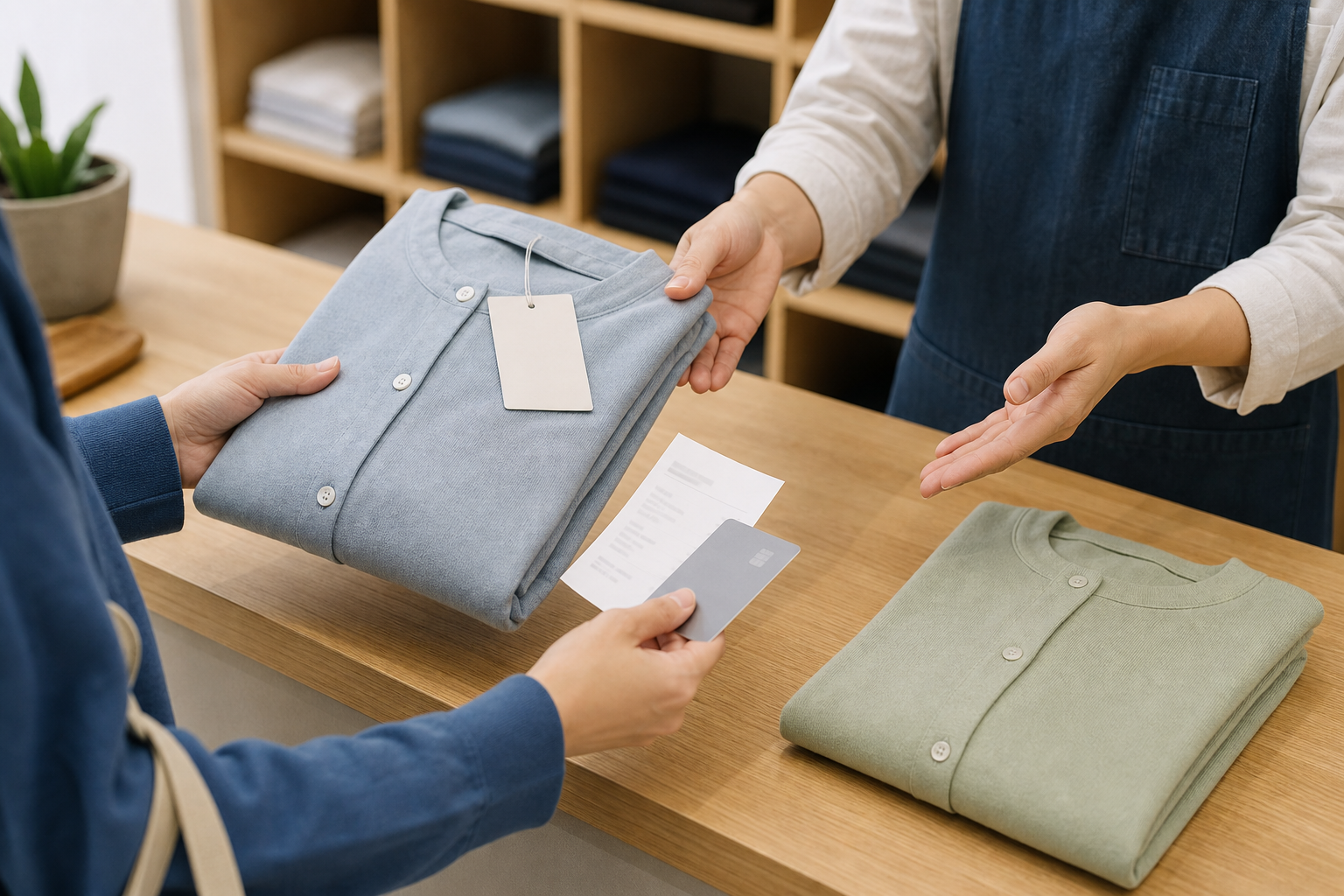
A receipt does not create an automatic return window in Japan. For an item bought in a physical store, a change-of-mind return normally depends on that store's policy. A defect, a missing item, or an incorrect sales explanation is a different problem and should be raised promptly.
Start with the reason, not the number of days
Japan's cooling-off rules do not generally apply to an ordinary purchase you chose to make inside a shop. If the size feels wrong, another store is cheaper, or you simply reconsidered, the retailer can follow its own return and exchange policy. Some stores voluntarily allow unused returns within a stated period, but that is a store benefit, not a universal tourist right.
A product that was defective from the start, lacks the quality normally expected, or was sold with an incorrect explanation should not be treated as ordinary buyer's remorse. The National Consumer Affairs Center advises taking the item and receipt back to the seller and discussing a replacement or refund. The result depends on the facts, available stock, and the sales agreement.
Check the policy before removing tags or packaging
Ask at checkout whether a sale item, cosmetic, medicine, food, underwear, opened electronic, or altered garment is excluded. Return conditions and deadlines vary by retailer. Photograph the policy if it is displayed only in Japanese, and test electronics or inspect high-value goods while you are still near the store.
For the best chance of a smooth request, keep the product unused, with tags, accessories, manuals, packaging, and gifts that came with it. Bring the original receipt and the payment card used. A card refund may take time to appear and can produce a different home-currency amount because card processing and exchange rates are separate from the store's JPY refund.
- Confirm the deadline and excluded product categories
- Keep the receipt, tags, box, accessories, and card slip
- Record the defect with clear photos before returning
- Contact the same store as soon as possible
Tax-free returns need the purchase record recalculated
A tax-free item is not automatically impossible to return, but the shop must correct the tax-free transaction. Retailer procedures differ. Current large-chain examples require the item, receipt, passport, and sometimes every item on that tax-free receipt at the original store.
If a partial return drops the eligible total below the tax-free minimum of ¥5,000 before tax, the remaining purchase can lose tax-free treatment. A shop may need to cancel the original transaction and sell the kept items again with tax recalculated. For goods bought through 31 October 2026, do not remove one item from a sealed consumables package just to return it. Ask the store how to preserve the package and purchase record.
Use a short evidence-first request when something is wrong
Show the receipt, point to the exact defect or mismatch, and state the outcome you want: exchange, repair, or refund. Avoid starting with a card chargeback while the merchant is still willing to inspect the item. If language is difficult, write the purchase date, store, item, problem, and requested solution in a translation app.
Visitors still in Japan can call the official Consumer Hotline for Tourists at 03-5449-0906 on weekdays during its published hours. It supports English, Chinese, Korean, and other languages and provides negotiation advice, but it cannot force a store to issue a refund. Ikura Cart can help retain a clear product name and shelf-price reference; the receipt and store policy remain the key evidence.
FAQ
Do Japanese stores have a standard return window, like the 30-day policies many US chains offer or the 14-day right to cancel an online order in the UK?
No universal period applies to ordinary in-store change-of-mind purchases. Check the individual retailer's policy before buying or opening the item.
Can I return an item because I found it cheaper elsewhere?
Usually only if the store voluntarily allows that reason. A lower price elsewhere is generally a change of mind, not a defect.
What should I bring for a tax-free return?
Start with the product, receipt, passport, original payment card and slip, packaging, and all items on the tax-free receipt if the store requests them. Confirm the exact rule with the original store.
Can I return a Japanese purchase after flying home?
Do not assume so. Many store procedures require an in-person return in Japan, and international branches may not accept Japan purchases. Contact the seller before departure.
If I return tax-free goods bought after 1 November 2026, what happens to the refund?
At that point the refund has not been paid yet, so cancelling the purchase record cancels the tax you were owed along with it. Sealed packaging is abolished, so opening a bag is no longer the problem. If the remaining total falls below ¥5,000 before tax, the rest can drop out too.
Official sources
- National Consumer Affairs Center of Japan: Follow the store's return rules
- National Consumer Affairs Center of Japan: Defective product return FAQ
- National Consumer Affairs Center of Japan: Consumer Hotline for Tourists
- National Consumer Affairs Center of Japan: Cooling-off and store purchases
- National Consumer Affairs Center of Japan: Product quality and returns
- JNTO: Shopping problems and return advice for visitors
- UNIQLO Japan: Exchange and return policy for tax-free products
- Don Quijote: Tax-free return requirements
- Japan Customs: Consumption tax exemption for visitors
- GOV.UK: Accepting returns and giving refunds