 Ikura Cart
Check Japanese Food Souvenirs Before You Pack Them
Updated 2026-10-21
Reviewed 2026-10-21
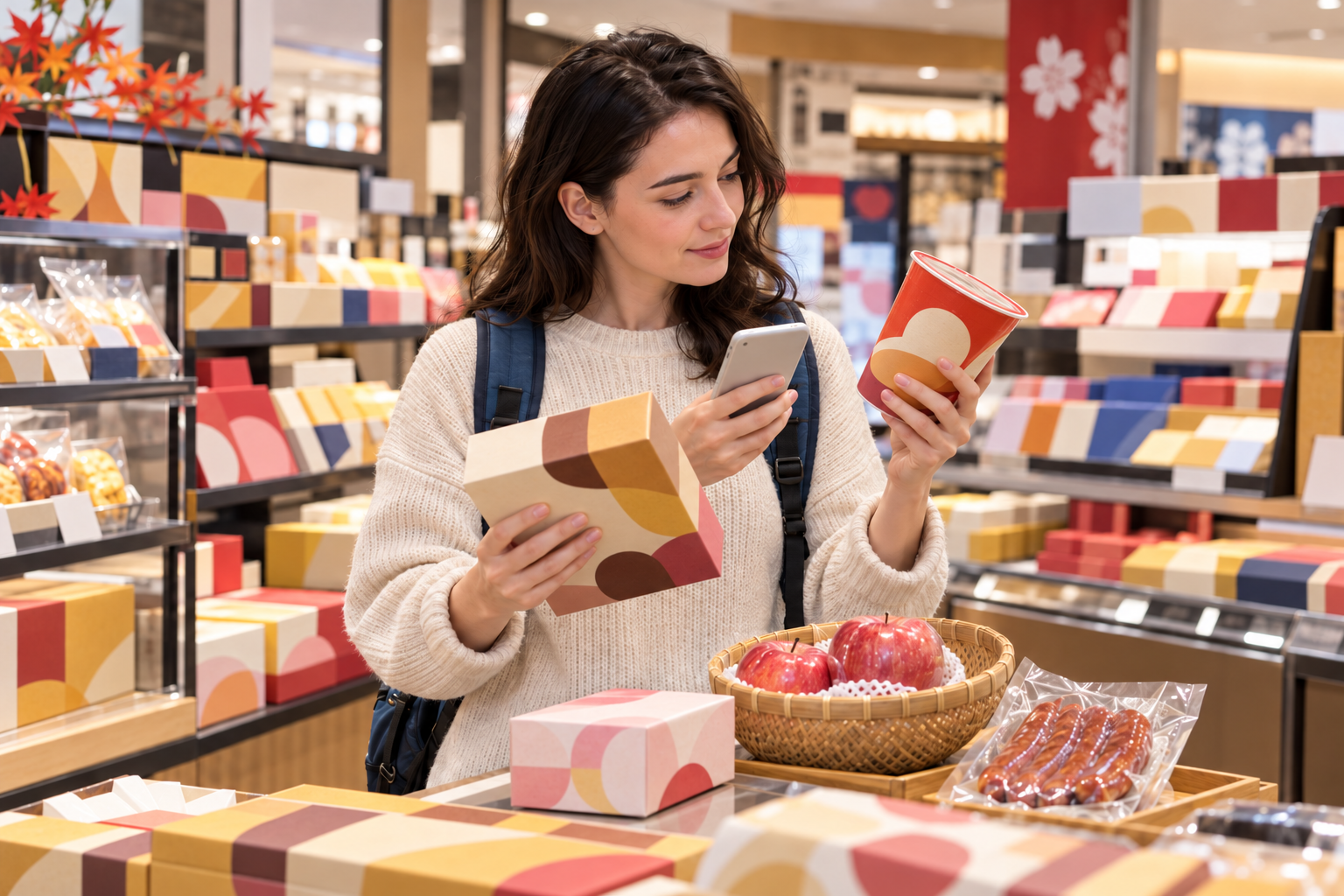
A sealed packet from a Japanese shop is not automatically allowed through the border at home. The deciding facts are the ingredients, processing, country of origin, quantity and where you land. Use the package to identify the food first, then apply the official rule for your arrival country before paying.
Sort the product before judging it
Start with the actual contents, not the flavour picture. Jerky, sausage, meat-filled buns, fresh fruit and plants are obvious checks. Cup noodles, curry blocks, soup powder, seasoning sachets, cakes with egg filling and dairy-rich sweets can also fall under animal or plant rules. Vacuum packing, airport sale and a tax-free receipt do not create an exemption.
Keep the original sealed package and photograph the ingredient panel, product name, country of origin and best-before date. A customs officer can make a faster decision from a complete label than from a loose snack in an unmarked bag. If the product contains an ingredient you cannot identify, treat that as an unanswered customs question, not as permission.
The US, Great Britain and Australia give different answers
For the United States, declare every food and agricultural item. CBP says baked goods, sweets, chocolate and many commercially packaged foods are generally admissible, while meat, fresh produce, seeds and other agricultural products may be restricted. A declared item that is refused can usually be surrendered; an undeclared prohibited item can bring a civil penalty.
Great Britain allows items such as plain bread, cakes without fresh cream, biscuits, chocolate and noodles not mixed or filled with meat. From Japan, meat and meat products and milk-based products are not allowed, subject to narrow medical-food exceptions. Most fresh fruit and vegetables need a phytosanitary certificate, although the government lists specific exceptions. Northern Ireland has separate rules.
Australia takes the broadest declaration approach of these examples. Food, even a small ingredient or cooking item, must be declared on the incoming passenger process and may be inspected. Check the Australian Government's food category and BICON for the exact product. Do not use a US or British answer for an Australian arrival.
Build a five-field shopping note
Save five facts for each uncertain item: exact product, animal ingredient, plant ingredient, processing and quantity. Search the home authority with the product category, such as meat product, dairy, fresh fruit, seed, honey or fish, rather than only the Japanese brand name. Rules can depend on disease outbreaks and origin, so check again close to departure.
Japanese labels can hide the clue in a seasoning sachet. Use the ingredient list and allergen box together, but remember that an allergen statement is not a customs ruling. Ikura Cart can help identify a Japanese product name or price while you shop; the border authority's current database decides whether the food may enter.
At arrival, declaration is the safe decision
Put uncertain food where you can reach it and keep the packaging. Answer the food or agriculture question truthfully, show the item when asked and let the officer decide. Declaring does not mean the item is automatically seized; it gives the authority a chance to inspect it.
Tax and biosecurity are separate. A snack may fit within your personal customs allowance yet still be prohibited for quarantine reasons. The reverse can also happen: an admissible food still counts toward a value or alcohol allowance. Check both before choosing the green channel or equivalent.
FAQ
Are sealed Japanese snacks always allowed?
No. Sealing helps identify and inspect a product, but ingredients and arrival-country rules control the decision. Meat, dairy, egg, fresh produce or seeds can change the answer.
Can I take Japanese instant noodles home?
It depends on the ingredients and destination. Check the noodles, powder and separate toppings for meat, dairy, egg and plant material, then use your arrival authority's current product rule.
Do I need to declare ordinary biscuits and sweets in the US or Australia?
Yes. US guidance requires all food and agricultural items to be declared, and Australia requires food to be declared. Declaration is not the same as prohibition.
Does buying at airport duty free make food legal to import?
No. Duty-free status concerns tax at purchase. Your arrival country's food, agriculture and biosecurity rules still apply.